colour emotions · May 31, 2026
Why Colour Affects the Way We Feel: The Emotional Language of Hue
Discover the profound impact colour has on our emotions and mental wellbeing. Explore how different hues can influence mood, inspire creativity, and transform spaces in vibrant Tel Aviv.
By Esther Cohen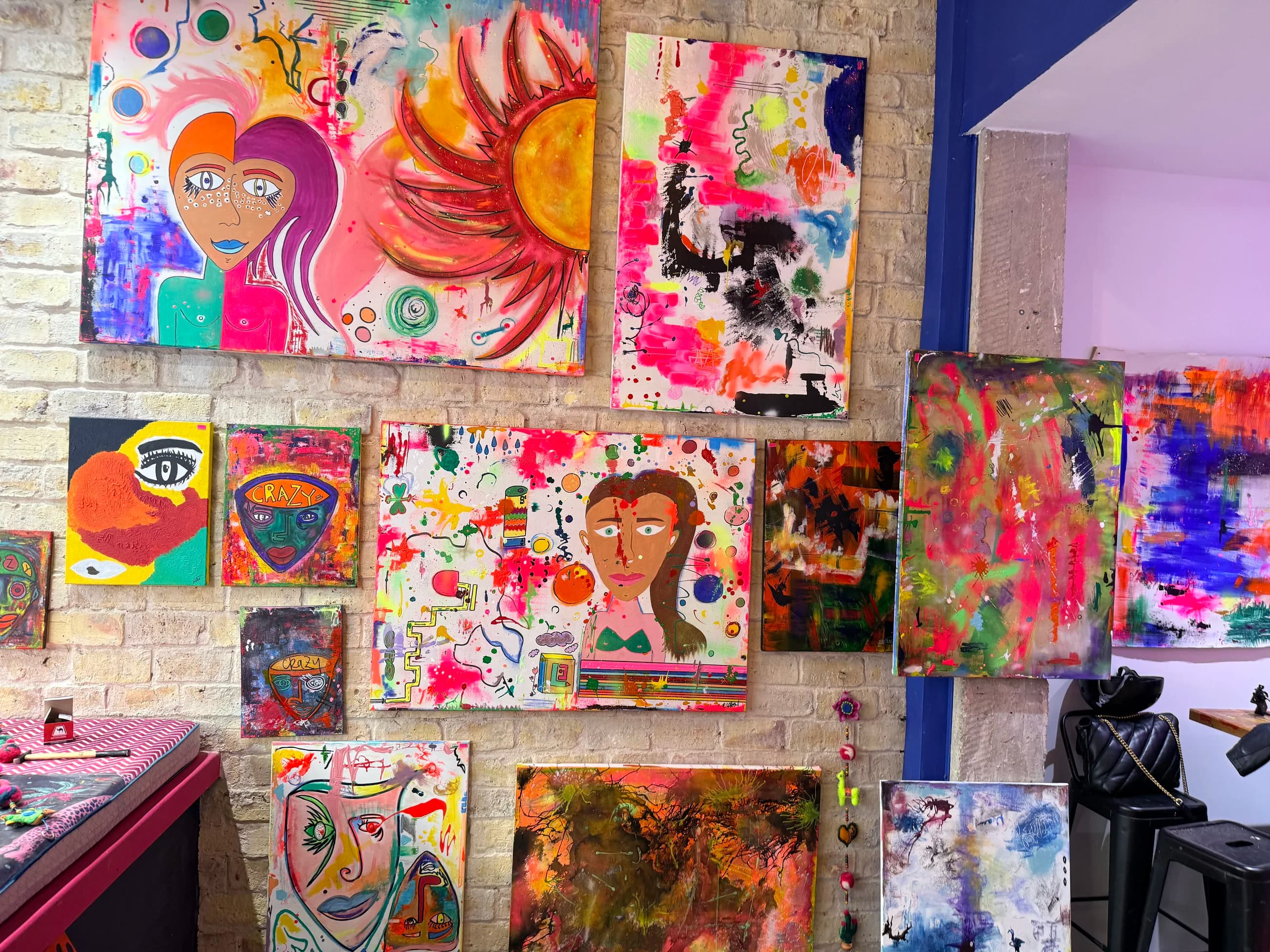
Colour is much more than a visual experience; it is an emotional language that speaks directly to our subconscious, influencing the way we feel and think. In the vibrant city of Tel Aviv, colour permeates daily life—from the azure Mediterranean skies to the lively markets filled with vibrant spices and textiles. Understanding how colour affects emotions can enrich our appreciation of art and help us create environments that nurture wellbeing.
Scientists and psychologists have long studied colour psychology, revealing how different shades can evoke a wide range of feelings. Warm colours such as red, orange, and yellow often stimulate energy, passion, and warmth. They can invigorate a room or a canvas, eliciting feelings of excitement or alertness. Conversely, cool colours like blue, green, and violet tend to soothe and calm, invoking a sense of peace, relaxation, or introspection.
In abstract painting and creative expression, colour becomes a powerful tool to communicate emotions without words. The interplay of tones and shades creates rhythms and harmonies, expressing moods and inner states. Artists throughout history have harnessed the emotional power of colour to engage viewers, inviting them into a shared emotional journey. In Tel Aviv's dynamic art scene, this language resonates deeply with audiences navigating a fast-paced urban environment.
The studio space itself can also benefit greatly from thoughtful colour choices. Research shows that colours influence productivity, creativity, and stress levels. For instance, in a creative studio, using calming blues and greens can foster focus and innovation, while occasional bursts of red or yellow may spark inspiration and enthusiasm. Many artists and creative spaces in Tel Aviv incorporate these insights to design welcoming, supportive environments.
Beyond physical spaces, personal clothing and daily surroundings also shape our emotional landscapes through colour. Wearing certain colours can boost confidence or reduce anxiety, subtly impacting social interactions and mood. In a Mediterranean city like Tel Aviv, where sunlight enhances vivid colour perception, these effects can be particularly significant.
Another fascinating aspect of colour emotions is their cultural context. Different cultures might associate colours with varying meanings and feelings. However, the universal human response to colour taps into fundamental psychological responses tied to nature—for example, the calming effect of greenery or the alertness triggered by fire-like reds.
Esther Cohen, a French-Israeli abstract painter and founder of HEaRt Studio in Tel Aviv, embodies this deep understanding of colour’s emotional power. Her work, rich with bold and harmonious hues, reflects an intuitive grasp of how colours can paint feelings onto canvas, creating immersive emotional experiences. Through her artistic practice and community engagements, she highlights the transformative potential of colour as a creative and healing force.
To practically harness colour’s impact in your daily life, consider the moods you wish to cultivate. Want to feel energized? Surround yourself with warm tones or introduce colourful accents in your home or wardrobe. Craving calm or reflection? Opt for cooler shades and natural earthy colours. Experiment mindfully and observe how your emotions shift.
Ultimately, colour is a bridge between our inner world and outer environment. It shapes our perceptions, affects our wellbeing, and colors the narrative of our lives. Embracing colour’s emotional resonance deepens our connection with both art and everyday experience, making even the bustling streets of Tel Aviv feel more vibrant and alive.